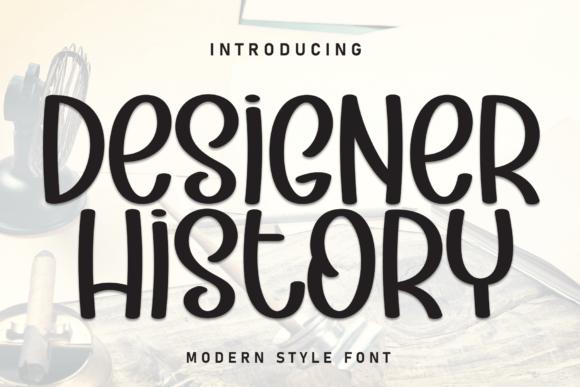
Designer History Typeface: A Sweet Handwritten Font for Wedding & Craft Designs
I was sitting at my desk last Tuesday, staring at a blank Canva canvas, trying to design a wedding invitation suite that felt personal but not messy. I had the floral photography ready, the color palette set in soft blush and sage, but the typography felt cold. That’s when I pulled up Designer History, a sweet and friendly handwritten display font from Script Amp. After testing it on everything from candle labels to digital planner pages, I can confidently say this typeface brings a warmth that standard scripts just don’t capture.
If you are a crafter, handmade seller, or printable creator looking to add a touch of personality to your brand identity, Designer History is worth a closer look. It isn’t just another generic brush script; it has a distinct charm that feels approachable, modern, and undeniably cute. In this review, I’ll walk you through how this font performs in real-world product applications, from physical packaging to digital downloads.
The Visual Personality of Designer History
When you first open the font file, what strikes you most is its "friendly" nature. Unlike some handwritten fonts that feel overly calligraphic or difficult to read, Designer History sits comfortably in the realm of casual cursive with a slight print-like structure. It bridges the gap between a strict serif font and a wild, illegible script. This makes it incredibly versatile for makers who want their designs to look professional yet handcrafted.
The strokes have a natural flow, mimicking the pressure changes of a real pen without being so exaggerated that they distract from the message. For a boutique shop owner, this balance is crucial. You want your customers to feel the care you put into your products, but you also need them to actually read the text on your tags. The visual mood of Designer History is light, airy, and joyful. It screams "celebration," which is why it pairs so beautifully with wedding stationery, birthday cards, and seasonal holiday designs.
Real-World Applications: From Labels to Landing Pages
I’ve been using Designer History extensively in my own small business, and here is how it translates across different mediums.
Wedding Invitations and Stationery
This is arguably the strongest use case for Designer History. When designing an invitation mockup, the font adds instant elegance without the stuffiness of traditional calligraphy. I tested it on a save-the-date card with a watercolor background, and the white space around the letters allowed the handwritten style to breathe. It works perfectly for names, dates, and venue details. However, because it is a display font, I recommend keeping body text on the invitation clean and simple. Let Designer History be the star of the headline, and let a neutral sans serif handle the logistical details.
Product Packaging and Tags
For handmade sellers, packaging is part of the unboxing experience. I used Designer History to create gift tags for a line of soy candles. The font’s rounded edges complemented the organic shape of the jar labels nicely. It looked particularly charming on kraft paper tags, where the black ink contrasted sharply with the brown texture. Whether you are printing these on your home printer or sending them to a professional print shop, the legibility holds up well even at smaller sizes, provided you aren’t cramming too much information onto a tiny tag.
Digital Printables and Planners
As a creator of digital downloads, I find that fonts need to be engaging enough to make people click "buy." Designer History adds a fun touch to cover images for planners, journals, and wall art. On a digital listing image, the font helps establish a brand identity that feels approachable. If you sell digital templates, using this font in your preview images signals to the buyer that the template is creative and customizable. Just remember that on screen, thinner weights might get lost if the resolution is low, so always check your previews at 100% zoom.
Crafting and Cutting Machines
For Cricut and Silhouette users, Designer History is a delight. Because it is a display font, it cuts cleanly without the risk of delicate swashes breaking apart, which is a common issue with more complex scripts. I used it to cut vinyl decals for mugs and tote bags. The curves are smooth, meaning the blade doesn’t have to make jagged turns, resulting in a cleaner edge on the final product. It’s also great for creating custom signage for farmers markets or craft fairs, where you need large, readable lettering that still feels handmade.
Readability and Best Practices
While Designer History is beautiful, it is important to respect its limitations as a handwritten display font. It is not designed for long paragraphs of text. Trying to write a product description or a blog post entirely in this font will overwhelm your audience and hurt readability. Instead, use it for short phrases, names, titles, and decorative wording.
Font Pairing Strategy:
To maximize the impact of Designer History, pair it with a clean, simple font. A classic pairing would be Designer History for headlines and a geometric sans serif font for body copy. This contrast creates a modern hierarchy that guides the eye. Alternatively, if you are going for a more vintage or editorial look, pair it with a delicate serif font. The key is to keep one element simple so the handwritten style can shine.
Size Matters:
On physical merchandise like shirts or mugs, ensure the text is large enough to be legible from a distance. On digital assets, such as social media graphics, test the font against various backgrounds. Dark mode interfaces can sometimes wash out lighter weights, so stick to the regular or bold variants for high contrast.
Technical Details and Licensing
Before incorporating Designer History into your commercial projects, always check the included styles and file formats. Most premium fonts come in multiple weights (Light, Regular, Bold) and may include alternates or ligatures that allow for unique character combinations. These features can add a layer of customization to your designs, making your work stand out.
Licensing is another critical factor. As a commercial font, you need to ensure you have the appropriate license for your intended use. If you are selling physical products like t-shirts or printed cards, you typically need a commercial license. If you are using it in digital templates or web design, the licensing requirements may differ. Always review the terms from Script Amp to avoid any legal issues down the road.
Who Is This Font For?
Designer History is ideal for:
- Wedding planners and stationery designers looking for a romantic yet modern vibe.
- Handmade sellers creating labels, tags, and packaging for artisanal goods.
- Digital creators making printables, planners, and wall art.
- Social media managers wanting to add a personal touch to quotes and announcements.
- DIY enthusiasts using cutting machines for home decor and gifts.
In summary, Designer History is more than just a pretty font; it is a tool that can elevate the perceived quality of your creative work. Its sweet and friendly demeanor makes it perfect for projects that require a human touch. Whether you are designing a heartfelt wedding invitation or a fun sticker sheet for your online shop, this typeface delivers charm and clarity in equal measure. Give it a try in your next project and see how it transforms your design aesthetic.